
Most people don’t think much about dust until it becomes a problem. A keyboard starts sticking. A computer fan gets louder. Air vents collect debris that’s hard to reach with a cloth. The usual solution is a can of compressed air—cheap, familiar, and effective for a few quick blasts.
But over time, the drawbacks of canned air become obvious. The can runs out mid-clean. Pressure drops unpredictably. You end up buying replacements more often than expected. And after a while, it starts to feel strange relying on a disposable product for something as routine as cleaning.
That frustration is why electric air dusters have quietly grown in popularity. They’re not flashy tools. They don’t promise miracles. They simply aim to do one thing better: provide consistent airflow without being thrown away.
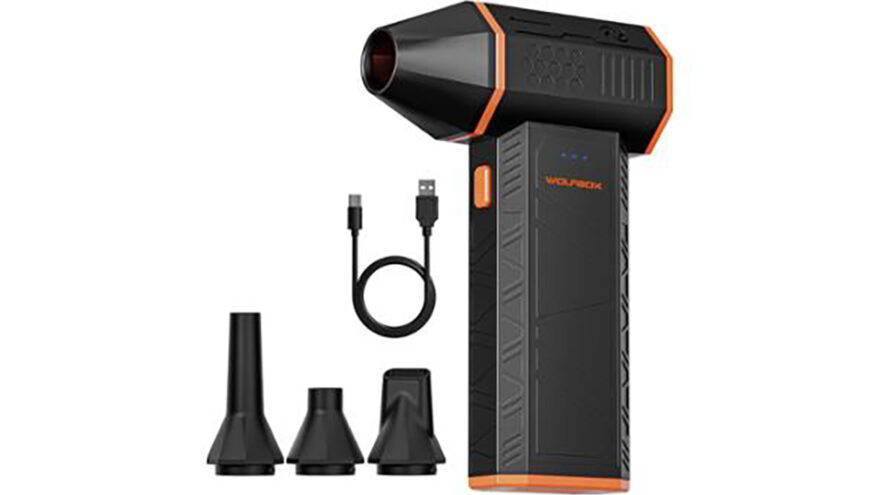
This article takes a close look at electric air dusters as a category, using the WOLFBOX MF50 as a representative example, and explains where these tools make sense, where they don’t, and how to get real value from them.
The Real Problem With Canned Air Isn’t Performance — It’s Waste and Friction
Canned air works well when it’s new. The first few bursts are strong and precise. But the experience degrades quickly:
- Pressure drops as the can empties
- Cold propellant can spray if the can is tilted
- You’re limited to short bursts
- Once it’s empty, it’s trash
For people who clean electronics regularly—PC builders, remote workers, photographers, gamers, or anyone maintaining multiple devices—this becomes an ongoing cost and annoyance.
The issue isn’t that canned air is ineffective. It’s that it’s not designed for repeated, routine use.
Electric air dusters exist to remove that friction.
What an Electric Air Duster Actually Is
An electric air duster is a rechargeable or plug-in device that generates airflow using a motor rather than compressed gas. Instead of short bursts, it provides a continuous stream of air that you can control.
In practical terms, that means:
- No pressure drop over time
- No running out mid-clean
- No disposable cans to replace
- Adjustable airflow instead of all-or-nothing blasts
The WOLFBOX MF50 fits squarely into this category. It’s a cordless, rechargeable model marketed as high-speed and adjustable, designed for electronics, home cleaning, and light automotive detailing.
Why Adjustable Airflow Matters More Than Raw Power
One of the most common mistakes people make when choosing an air duster—electric or otherwise—is focusing entirely on power numbers.
High airflow is useful, but control is more important.
Different cleaning tasks require different approaches:
- A mechanical keyboard benefits from controlled airflow to lift dust without dislodging switches
- PC fans and heat sinks need enough force to clear buildup, but not so much that components spin freely
- Camera lenses and sensors require extremely cautious handling
- Car vents and window tracks can tolerate stronger airflow
Electric air dusters like the MF50 typically offer multiple speed settings so you can match the airflow to the task. This versatility is one of their biggest advantages over canned air, which delivers the same pressure whether you need it or not.
Electronics Cleaning: Where These Tools Shine
Keyboards and Input Devices
Dust, crumbs, and debris collect under keys in ways a cloth can’t reach. An electric duster allows you to clear that buildup quickly without removing keycaps or introducing moisture.
Regular cleaning also helps prevent sticky keys and inconsistent input over time.
PCs, Consoles, and Cooling Vents
Dust buildup inside PCs and consoles restricts airflow and traps heat. While electric air dusters are not a substitute for deep internal cleaning, they’re excellent for routine maintenance:
- Clearing intake vents
- Blowing dust out of heat sinks
- Reducing fan noise caused by buildup
A common best practice is to gently hold fan blades in place while blowing air to prevent them from spinning freely.
Cameras and Sensitive Gear
For camera bodies, lenses, and accessories, lower airflow settings are key. Electric dusters provide better control than canned air, which can spray propellant if mishandled.
Home and Car Use: More Versatile Than You Expect
While many people buy electric air dusters for electronics, they often end up using them elsewhere.
Around the House
- Air vents and registers
- Window tracks
- Blinds and narrow ledges
- Shelving and decorative items
These are areas where dust accumulates but wiping is awkward or ineffective.
In Vehicles
- Dashboard seams
- Air vents
- Cup holders
- Seat tracks
Because the MF50 is cordless and rechargeable, it’s easy to use in places where outlets aren’t convenient.
Battery Life and Charging: What to Expect in Practice
Battery-powered air dusters trade unlimited runtime for portability. In real use:
- Lower power modes offer longer runtime
- Higher output modes drain the battery faster
- Short cleaning sessions barely impact charge
Most users don’t run these tools continuously for long periods. They’re used in bursts—five minutes here, ten minutes there—which aligns well with rechargeable designs.
Charging via USB-C also makes it easier to top up using common cables or power banks rather than proprietary chargers.
How Electric Air Dusters Compare to Canned Air
Advantages
- Reusable with no consumables
- Consistent airflow
- Adjustable power
- No propellant spray
- Lower long-term cost for frequent users
Trade-Offs
- Louder due to the motor
- Larger than a single can
- Higher upfront cost
- Requires charging
Neither option is objectively “better” for everyone. The difference is how often you clean and how much convenience matters to you.
Common Misconceptions About Electric Air Dusters
“They replace air compressors.”
They don’t. Electric dusters are not designed for heavy shop work or industrial cleaning.
“More RPM always means better cleaning.
Airflow direction, nozzle design, and control matter just as much as raw speed.
“They’re unsafe for electronics.”
Used properly, electric air dusters are widely considered safe for electronics cleaning. The key is moderation and avoiding excessive force on delicate components.
Practical Tips for Getting the Best Results
- Always blow dust outward, not deeper into devices
- Start on the lowest setting and increase only if needed
- Use nozzle attachments to focus airflow
- Hold fans steady when cleaning PCs
- Avoid using on wet or damp surfaces
- Store the device charged so it’s ready when needed
These habits make a noticeable difference in both effectiveness and longevity.
Who Should Consider an Electric Air Duster
Electric air dusters make the most sense for:
- People who clean electronics regularly
- Remote workers with home office setups
- PC builders and gamers
- Photographers and content creators
- Anyone tired of buying canned air repeatedly
They’re less compelling for people who clean once or twice a year and don’t mind disposable solutions.
Who Might Be Better Off With Canned Air
Canned air still makes sense if:
- You only need occasional cleaning
- You prioritize ultra-compact storage
- You want precise, short bursts with minimal noise
- You don’t want to manage charging another device
Some users keep both on hand and use each where it fits best.
Environmental and Cost Considerations
From an environmental standpoint, electric dusters reduce waste by eliminating disposable cans. Over time, frequent users also save money by avoiding repeat purchases.
While the upfront cost is higher, the break-even point often arrives faster than expected if cleaning is part of your routine.
Final Perspective
Electric air dusters like the WOLFBOX MF50 aren’t exciting tools—but they’re practical ones. They replace a repetitive, disposable habit with a reusable solution that’s more consistent and more flexible.
If you clean electronics, home surfaces, or vehicles regularly, this category offers a clear upgrade in convenience and long-term value. It won’t replace heavy-duty equipment, and it doesn’t need to. For everyday maintenance, it simply works—and keeps working.